
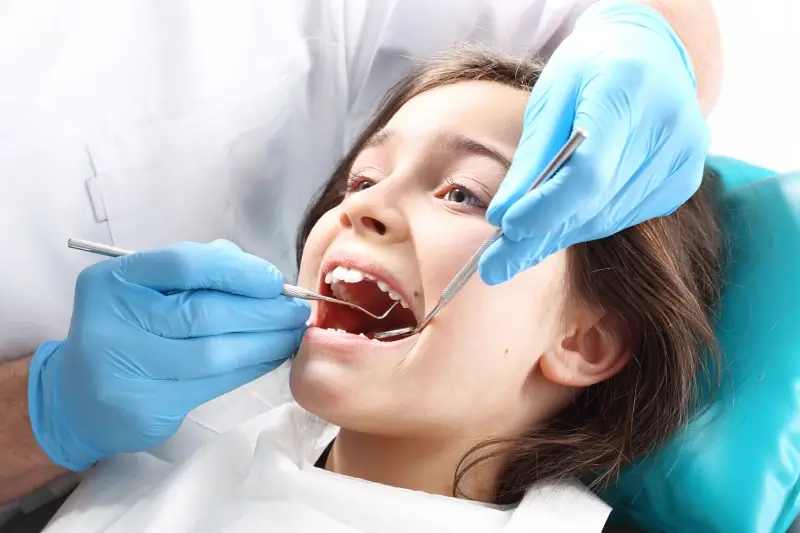
For most parents, protecting their child’s precious smile is more important than anything else. And one effective way to prevent their teeth from cavities is fluoride application. It offers long-term benefits and significantly lowers the risk of decay. But how often should kids get fluoride treatments? This depends on several factors, including age, cavity risk, and overall oral health. Keep reading!
Why are Fluoride Treatments Important for Children?
Children are typically more prone to tooth decay because of their dietary and oral hygiene habits. For this reason, dentists recommend fluoride treatment from a young age as it strengthens tooth enamel and makes it more resistant to acid attacks caused by plaque and oral bacteria.
Moreover, professional fluoride treatments provide a higher concentration of fluoride than regular toothpaste or drinking water. Fluoride protects baby teeth and supports the healthy development of permanent teeth underneath.
How Often Should Kids Get Fluoride Treatments?
According to the American Academy of Pediatric Dentistry (AAPD) guidelines, most children should receive fluoride treatments every 6 months during routine dental visits. Children at higher risk for cavities may need them more often. The exact frequency depends on your child’s individual risk for cavities.
The first treatment is recommended when your child’s first tooth appears, around the age of 6 or 7 months. From this stage onwards, your child’s dentist will determine the frequency based on different factors such as age, oral hygiene habits, diet, and cavity risk. For some children, twice a year may be sufficient, while others may benefit from more frequent treatments.
Factors That Affect Fluoride Treatment Frequency
Some children are at a higher risk for tooth decay and may need fluoride treatments more often. These risk factors include:
- Frequent consumption of sugary snacks or drinks
- Poor oral hygiene habits
- Lack of fluoride in drinking water
- Previous history of cavities
- Wearing braces or other orthodontic appliances
- Special healthcare needs that affect oral hygiene
If your child falls into one or more of these categories, your dentist may recommend more frequent fluoride application for additional protection.
Is It Safe for Kids to Get Fluoride Treatments Regularly?
Yes, professional fluoride treatments are safe for children of all ages when they are performed by a dental professional. The fluoride varnish or gel used during treatment is applied in a controlled amount. Only a very small amount is used, and it hardens quickly, making it safe for children. Your dentist may modify the frequency of application if needed to ensure your child’s health and safety.
Final Thoughts
If you are wondering how often kids should get fluoride treatments, the simple answer is that it depends on your child’s dental needs. In most cases, fluoride application every 3 to 6 months is sufficient, but more frequent treatments may be necessary if there is an increased risk of cavities.
You can visit our experienced pediatric dentist, Dr. Neil Dean, at KC Kids Dental for a detailed oral exam for your little one. Contact us today at (816) 670-3450 to book an appointment!
