Can You Eat Normally After Dental Sealants?

April 30, 2026
3811 Views
Can You Eat Normally After Dental Sealants?

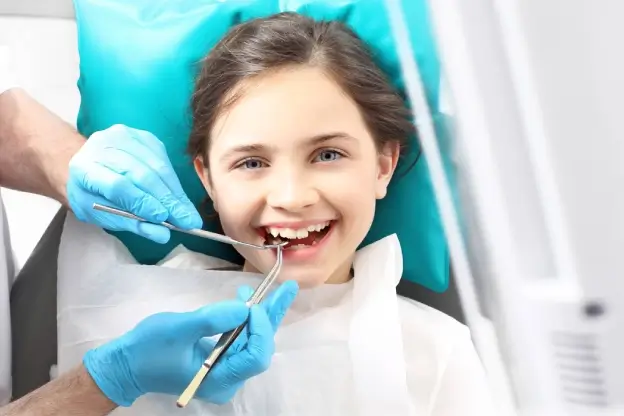
Has your child just received dental sealants? That is great! Sealants are one of the most effective ways to help prevent cavities in children. After this treatment, parents often ask whether it is safe to eat normally after dental sealants. Eating is generally possible, but there is a short waiting period to ensure the sealants are fully set.

Read on to learn when you can eat and foods you can safely enjoy after sealant treatment.

Can You Start Eating Soon After Getting Dental Sealants?

Sealants are applied as thin protective coatings, typically on the chewing surfaces of the back teeth. After applying them, dentists use a curing light to harden them. After this step, your child may still need to wait about 30 minutes before eating or drinking anything (other than water).

This gives enough time for the sealants to set. After this time, it’s best to start with soft foods first that are easy to chew.

Remember that sealants are applied to the back teeth. So if you chew something too soon afterward, the direct pressure may affect the sealants before they fully set.

How Long After Sealants Can You Eat Normally?

Generally, children can return to their normal diet after a few hours once the sealants are set. But for the best outcome, many dentists recommend waiting up to 24 hours.

As much as your child feels tempted to have their favorite candy or gum during this time, you’ll have to be more vigilant.

Safe Foods to Eat After Sealants

The wait period to eat after the dental sealant treatment is necessary, but it doesn’t mean your child can’t eat anything. There are still many safe options they can enjoy.

Choose soft foods like mashed potatoes, ice cream, pudding, apple sauce, or scrambled eggs for the first few hours, and then slowly move onto more solid foods. You can also go for soft-cooked pasta or soups.

What Foods Should You Avoid?

At least for the first 24 hours, make sure that your child doesn’t eat hard foods like nuts, hard candies, raw veggies, popcorn kernels, or ice. They should also stay away from sticky foods such as caramel or chewing gum.

These foods can pull on the sealant material, causing it to become loose or break off.

After 24 hours have passed, your child can resume their normal eating habits. However, to maintain these protective coatings, it’s wise to exercise some caution with certain foods over time.

Final Words

To sum up, your child should wait about 30 minutes before eating anything after getting sealants. After this period, they should start off with soft foods and liquids first before moving on to more solid foods.

If you want more specific guidelines related to your child’s dental care, Dr. Neil Dean and his team at KC Kids Dental are here to help! Call us today.

Dr. Neil Dean

Dr. Neil Dean

Dr. Neil Dean earned his dental degree from the University of Missouri-Kansas City and specialized in pediatric dentistry at Texas A&M College of Dentistry. Since 2004, he has been part of the dental team at the Children’s Medical Center of Plano. He’s a member of several professional organizations – ADA, TDA, ABPD, and more, reflecting his commitment to providing excellent care for young patients.

Archives

Recent Blogs

Is Silver Diamine Fluoride Safe for My Child?

Nov 15, 202631 Views

Few things worry parents more than discovering cavities in their child’s teeth. You may want to explore ways to prevent cavities or stop existing decay from progressing. Silver diamine fluoride (SDF) is a preventive measure that many pediatric dentists recommend for these reasons. But is silver diamine fluoride safe for children? Yes, it’s considered very […]

How Long Do Space Maintainers Stay In?

Oct 30, 2026113 Views

When a pediatric dentist recommends a space maintainer, parents usually have a lot of questions. Is it going to hurt? Can my child eat with it? But another common concern that’s usually at the top of the list is: How long do space maintainers stay in? There’s no fixed answer to this, because it mainly […]

What Happens If a Baby Tooth Falls Out Too Early?

Oct 15, 2026161 Views

We often hear this from parents: “My kid’s baby tooth is stuck and won’t fall out.” That’s fairly common. But there’s an opposite situation. Some parents visit our Independence, MO, office because their little one’s baby tooth fell out too soon. Although it’s a natural process for baby teeth to fall out to make room […]

Can Cavities Heal on Their Own?

Sep 30, 2026208 Views

Finding out that your child has a small hole in one of their teeth comes with a sinking feeling. This usually means a visit to the dentist for an evaluation and appropriate treatment. At this point, many parents start wondering: Can cavities heal on their own? Or is there any way to reverse them? The […]

5 Tips From a Pediatric Dentist to Prevent Cavities

Sep 15, 2026189 Views

Cavities, or tooth decay, are common among children and can affect both baby teeth and permanent teeth. Tooth decay can begin with early changes on the tooth surface and may progress if it is not addressed. The good news? As common as cavities are, they are largely preventable! Our Independence, MO, pediatric dentist shares some […]

My Child Has Tooth Pain But No Cavity — What’s the Reason?

Aug 30, 2026354 Views

As soon as a child complains of a toothache, most parents’ first thought is a cavity. Indeed, that’s a very common cause. But when you examine your child’s mouth and see that there’s no visible cavity, you might feel confused. There are actually more reasons for toothaches besides cavities. Read on to learn the possible […]

Skip to content